
The Problem with Leather
In the current political climate, and the ever-growing shadow of environmental degradation, the world is facing an ignorance issue. Perhaps the greatest sign of privilege is blissful ignorance to the overwhelming amount of aspects that contribute to our carbon footprint.
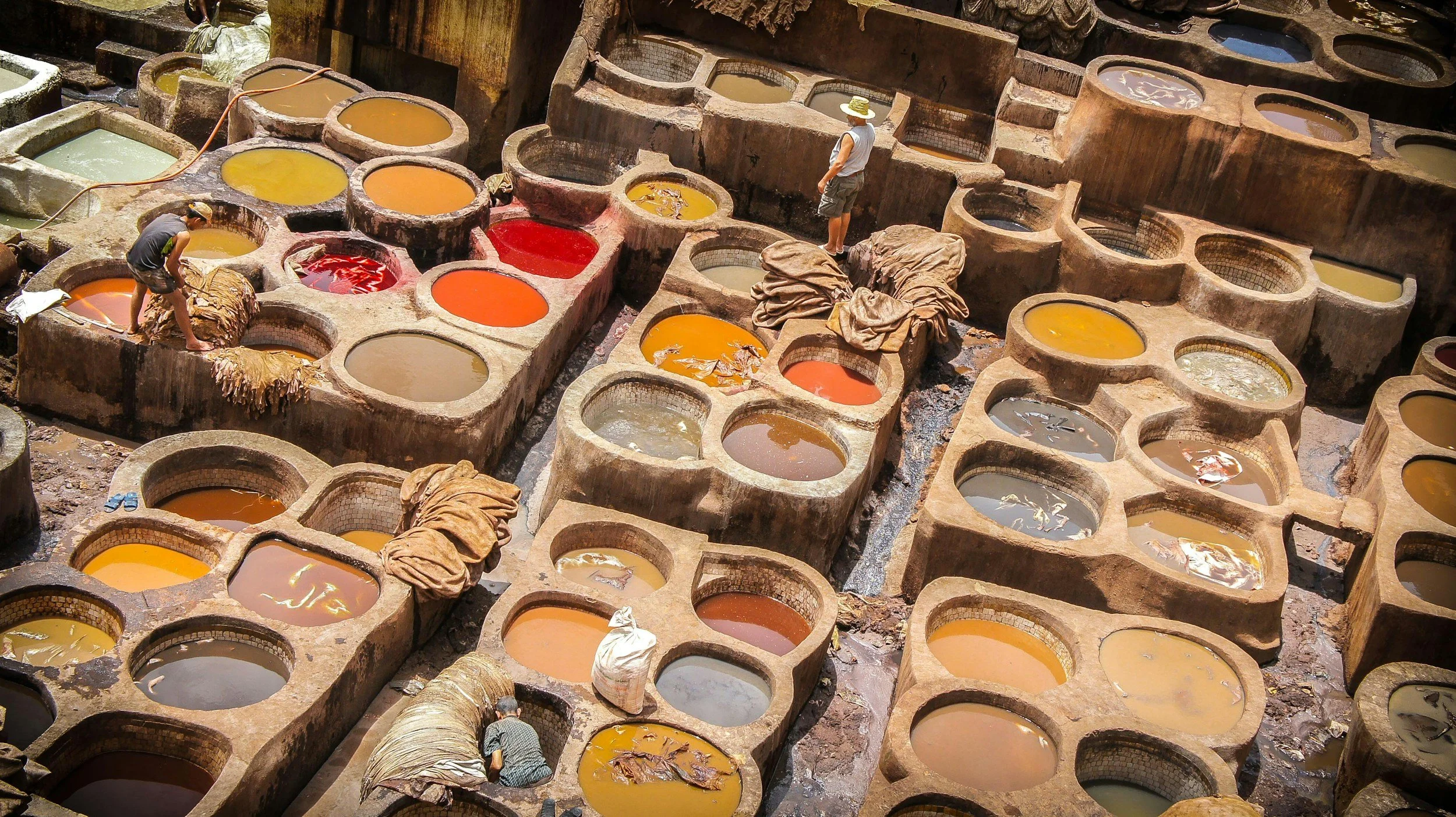
From jackets, belts, boots, car seats and key rings, leather is everywhere. While we remain aware of the high social and environmental costs of bovine (i.e. animal) leather - impoverished workers in developing countries who face unsafe and unregulated conditions, hazardous chemicals used which lead to skin diseases for workers and pollute local waterway - the process hasn’t really changed for the past few centuries. Vegan leathers offer an ethical alternative, but synthetic petroleum-derived plastics used are not biodegradable, shed microplastics, and therefore often contribute to higher waste than animal leather.
So this begs the question; why do businesses continue to use leather?
The reason? Because there is no viable alternative; even for businesses who want to transition to renewable materials, current leather alternatives do not perform up to the standard of bovine or vegan leather when it comes to usability or durability.
At Rema, we are trying to change that. By developing a leather alternative from food waste that competes with bovine leather on quality and durability, we aim to disrupt the manufacturing sector by completely replacing traditional forms of leather. Locally made, sustainable, and effective.
This is the start of our story. We are very excited to have you along with us in moving towards a more environmentally conscious future.